Making AI work at Premier League scale
October 26, 2026 | 3 min readAI can make a live stream more personal, more global and easier to operate. But how do you add it without breaking the stream? At IBC 2026, in a session hosted by Microsoft, the Premier League and MediaKind explained why reliability matters when bringing AI into live video.
Fans no longer settle for one feed for everyone. They expect highlights, team news and recommendations that fit them, at the moment they want them. AI is what makes that possible, but every new system near a live stream is one more thing that can go wrong. At IBC 2026, Microsoft brought together Will Brass, Chief Commercial Officer at the Premier League, and Moore Macauley, Chief Architect at MediaKind, to talk about how the three companies work together on Microsoft Azure, and what it takes to make AI work at Premier League scale.
- 70% fewer escalations from Tier-1 support to engineering, using an AI agent that analyses logs
- 2 Azure regions running every live event, so the content never stops
- 3 million+ fans using the Premier League’s Microsoft Copilot-powered companion in four weeks
Personalization only works if the stream does
Over the last two years, the Premier League has built a more personal digital experience with Microsoft at its cornerstone: an app and website, a Copilot-powered companion and Fantasy Premier League. The aim is a league that adapts to the fan, not just to the fixture list.
“We need to create these personalized, bespoke, trusted, tailored experiences.”
Will Brass
Chief Commercial Officer, Premier League
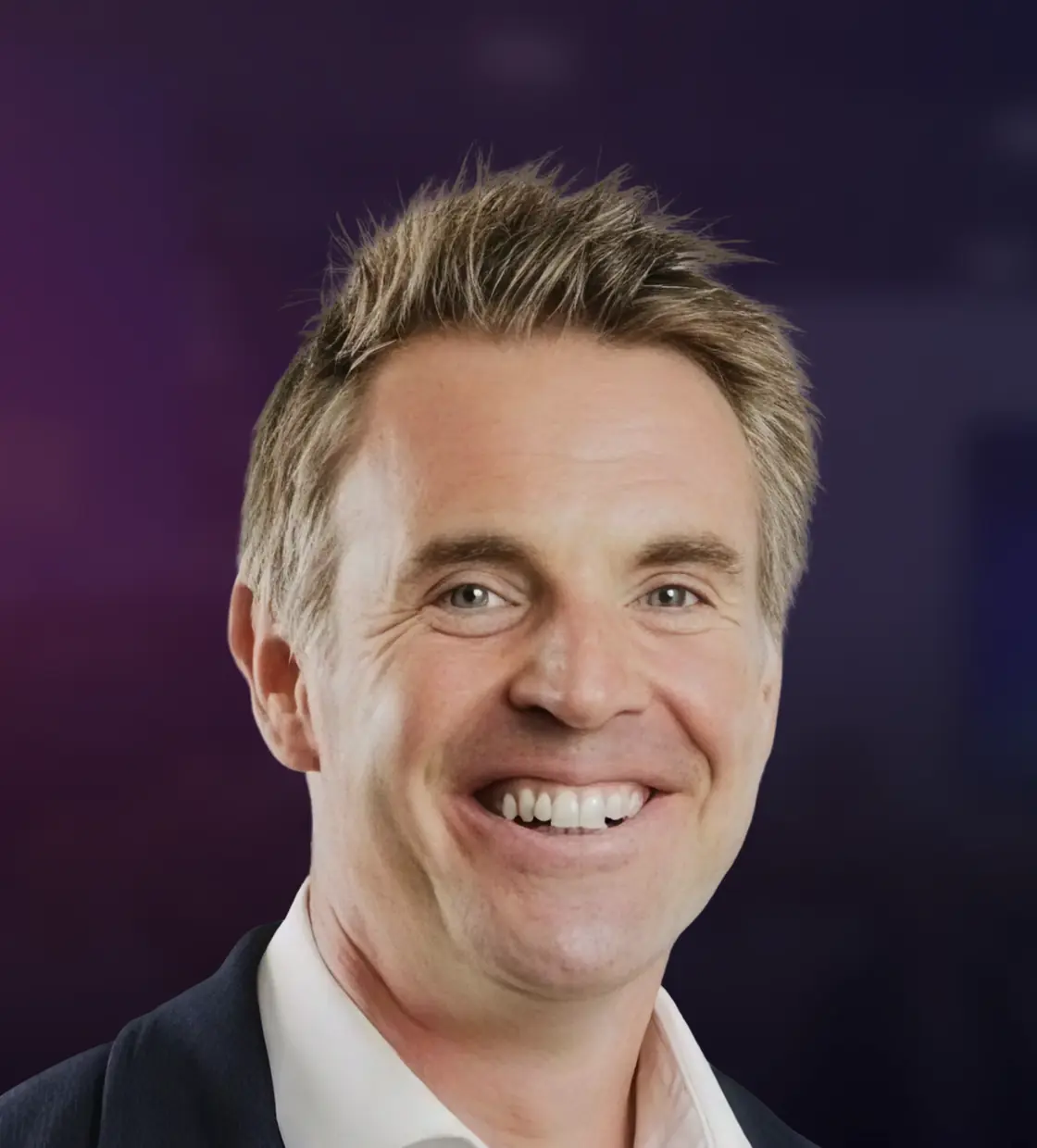
That promise rests on something fans never see. A supporter who can’t watch the match doesn’t care how good the recommendations are. Live sport leaves no room for a second take, and events start so quickly that traditional auto-scaling can’t keep up. MediaKind works closely with the Azure teams so that the platform is ready when the whistle goes.
“I think everything starts with reliability. It’s all very well for us to build this personalized experience, use the AI in order to recommend people. But at the end of the day, if the video isn’t delivered on time or the live streams don’t work, then it’s no good.”
Moore Macauley
Chief Architect, MediaKind
Getting AI into the pipeline without putting the stream at risk
Subtitling, dubbing and content discovery would all take live content to more people. The opportunity is to bring them into a live pipeline, where there is no room for a dropped frame. When MediaKind tested them internally, separate AI systems were reaching into the video pipeline from outside the reliable streaming application.
The answer was building an orchestration layer that sits between the AI and the stream. It handles what each model needs, whether that’s audio or thumbnails, so a model can be swapped without touching the stream, and it lets a backup model stand behind the primary. MediaKind built it for its own use first, then turned it into a product.
“It provides reliability so you can have a primary model and have a backup model.”
Moore Macauley
Chief Architect, MediaKind

Consistency matters as much as failover. Live events run across two Azure regions so that content never stops if one has an incident, which means the AI has to produce the same output in both.
AI has to earn its place
Moore was upfront that AI has to pay for itself, and he pointed to two places where it already does.
The first is operations. When an alert fires, an AI agent analyses logs, metrics and CDN data and recommends a fix to the Tier 1 support team. MediaKind has seen escalations to engineering fall by about 70%, with faster resolution for the ones that remain.
The second is advertising. Ad platforms don’t understand live sport: they can’t tell the break before extra time from the end of the match, and an advertiser would pay very different prices for each. Knowing who scored, or whether a team is ahead, lets AI place ads better, and subtitles and dubbing add inventory in more languages.
Where it goes next
The Premier League expects its experience to become more tailored and to reach more people, in more languages. MediaKind sees the same pattern beyond sport: pay TV operators face the same pressure to grow engagement and revenue. For the Premier League, the direction is already clear.
“We will be increasingly personalised, increasingly localised. More languages coming on stream to serve people what they want, where they are.”
Will Brass
Chief Commercial Officer, Premier League
The common thread is that AI is moving from demo to production. The teams that get there will be the ones that treat the stream as untouchable.
Want the full conversation? Watch the full session